Readable labels
We teach you to scan serving sizes first, compare similar products, and notice patterns—like fibre and sodium—so decisions at the store take seconds, not minutes in the aisle.
We work with busy kitchens, shared fridges, and schedules that rarely look the same twice. You get structure you can repeat, language you can share with family, and room to adapt when transit, work, or weather gets in the way.
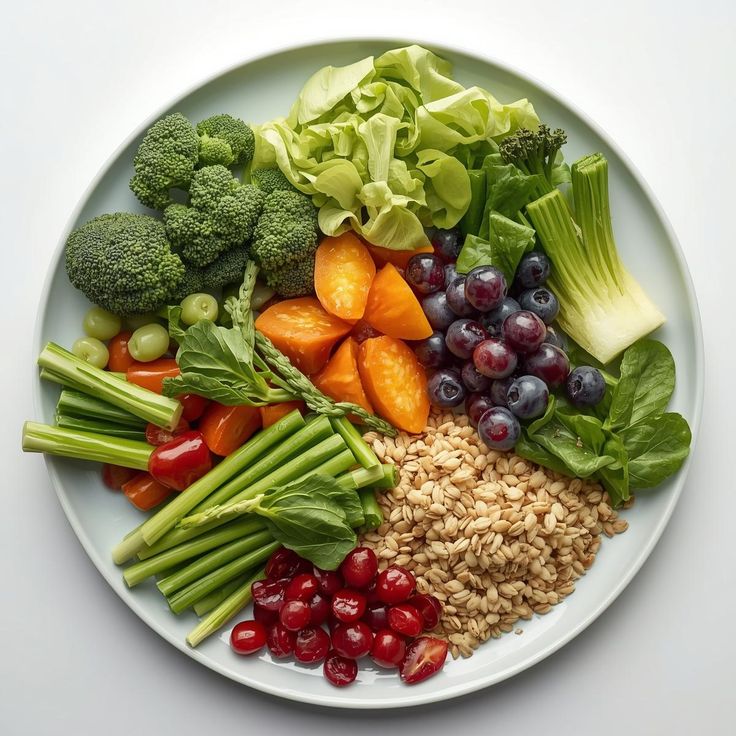
Most people already know more about food than they give themselves credit for. What gets noisy is timing: when to cook, what to buy when the store is busy, and how to eat when the day runs long. We focus on those friction points instead of rewriting your entire pantry overnight.
Our materials stay in the lane of general wellness education. That means we talk about balance, variety, hydration, and planning—it does not mean diagnosing conditions or telling you exactly how your body will respond. When something sounds clinical, we point you toward licensed professionals who work in that space.
We also care about how information lands at the dinner table. Recommendations you cannot explain to housemates rarely stick. We favour clear rationales, flexible templates, and backup options for the nights when the plan does not happen. That is how routines stay kind without becoming vague.
If you are curious how this feels in practice, start with Nourish for plate ideas and Adaptation for schedule shifts—then write us when you want help prioritizing what to try first.
We teach you to scan serving sizes first, compare similar products, and notice patterns—like fibre and sodium—so decisions at the store take seconds, not minutes in the aisle.
Repeated breakfasts or lunches can reduce decision fatigue when the week gets loud.
Packable snacks, refillable bottles, and one backup meal in the freezer for unexpected delays.
Ideas that respect roommates, budgets, and different tastes at the same table.
Rotating produce keeps colour on the plate without exotic shopping lists.
Short weekly check-ins beat elaborate trackers. We suggest lightweight prompts you can answer in one line.
In practice
Steady beats heroic. The goal is not a flawless month—it is a pattern you can return to after a messy week without shame.Ghefryonquobrynn · internal principle
Sketch when you actually eat, what you already buy, and where time disappears. No judgement—just a map.
Change a single hinge habit: breakfast, hydration, or the Sunday prep block—whichever unlocks the most calm.
Repeat the new pattern until it feels boring. Boredom is often a sign something is working.
Note how meals felt in practice—satisfaction, timing, and what was realistic for you. Adjust portions or timing—not the whole philosophy.
When travel, shifts, or seasons change, return to the map instead of starting from zero.
We share information for general wellness and cooking confidence. We do not promise specific outcomes, offer medical diagnosis or treatment advice, or use alarmist language about food or body size. If you need individualized clinical care, we encourage you to seek qualified providers.
We are rooted in the east end near Gerrard—easy to reach by transit for many neighbourhoods. Reach out before visiting so we can suggest a time window and confirm accessibility details that matter to you.
Email and phone remain the fastest way to coordinate: we read messages in order and reply with clear next steps.
Share constraints honestly—time, budget, skill level, and who you cook for—and we respond with grounded suggestions.
Open the contact form